Nam augue velit, fermentum sed erat non, efficitur interdum lectus. Donec hendrerit lorem a dui euismod tempus. Vivamus auctor blandit tellus et interdum.
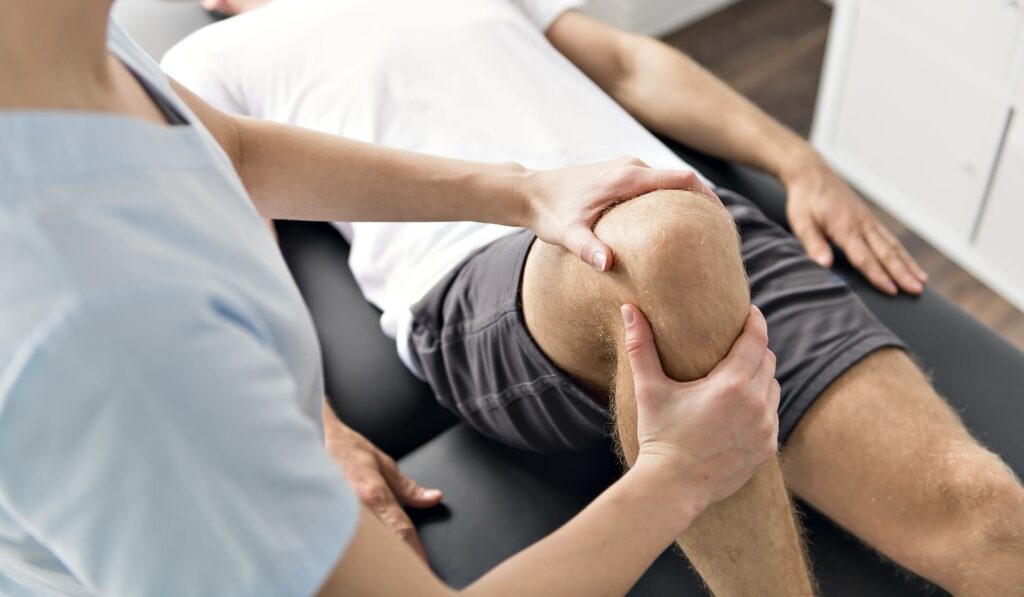
Physiotherapy focuses on improving movement, reducing pain, and supporting recovery through non-invasive treatment techniques designed to restore physical function and mobility.
Treatment plans are customized based on each patient’s condition, symptoms, mobility limitations, and recovery goals. Physiotherapy may be recommended for patients recovering from injury, managing chronic pain, experiencing muscle tension, or dealing with reduced flexibility and movement.
Care may include a combination of laser therapy, spinal decompression, muscle stimulation, traction therapy, and therapeutic ultrasound depending on the condition being treated.
How Physiotherapy Works
Physiotherapy uses targeted physical treatment methods to reduce inflammation, improve circulation, restore movement, and support tissue recovery without surgery or long-term reliance on medication.
Treatment begins with an evaluation of movement, pain patterns, muscular tension, posture, and mobility restrictions. Based on the assessment, a treatment plan is developed to address the underlying cause of discomfort and functional limitation.
Sessions are non-invasive and designed to support gradual improvement in mobility, strength, flexibility, and overall physical function.
Conditions Commonly Addressed
Physiotherapy may help support treatment for:
Neck and back pain
Sports-related injuries
Muscle strains and tension
Joint stiffness and reduced mobility
Postural imbalance
Chronic musculoskeletal pain
Disc-related discomfort
Recovery after injury
Movement and flexibility limitations
Treatment Techniques
MicroLight Laser Therapy
Cold laser therapy uses infrared light to support tissue recovery, reduce inflammation, and relieve pain without heat or invasive procedures. It is commonly used for muscle tension, joint discomfort, and soft tissue injuries.
VAX-D Spinal Decompression
VAX-D therapy is a non-invasive spinal decompression treatment designed to reduce pressure within the spine and support recovery from disc-related conditions, chronic back pain, and nerve-related discomfort.
Digital EMS
Digital EMS uses electrical muscle stimulation to help reduce muscle spasms, improve circulation, and support muscle recovery and re-education.
Myopulse and Acuscope Therapy
These therapies use controlled electrical signals to support pain reduction, tissue recovery, and neuromuscular function through non-invasive treatment methods.
Saunder Cervical Traction
Cervical traction therapy is used to help reduce neck tension, improve spinal mobility, and relieve pressure associated with cervical disc and nerve-related conditions.
Therapeutic Ultrasound
Therapeutic ultrasound is used to stimulate deep tissue healing and support recovery from inflammation, joint pain, and soft tissue injuries.
What to Expect During Treatment
Treatment sessions are tailored to the condition being addressed and may include one or multiple therapy methods during a visit. Most sessions are completed within a short office appointment, and patients can typically return to normal daily activities afterward.
Why Patients Choose Physiotherapy
Physiotherapy provides a non-invasive approach focused on improving movement, reducing discomfort, and supporting long-term physical function. Treatment plans are designed to address mobility limitations and underlying musculoskeletal issues while helping patients return to daily activities more comfortably.
Frequently Asked Questions
What is physiotherapy?
Physiotherapy is a non-invasive treatment approach focused on improving movement, reducing pain, and restoring physical function using targeted therapeutic techniques.
Does physiotherapy involve surgery or medication?
No. Physiotherapy uses non-invasive treatment methods designed to support recovery and improve physical function without surgery.
How long does a physiotherapy session take?
Session length depends on the condition and treatment plan, but most visits are completed within a short office appointment.
Is physiotherapy painful?
Most treatments are gentle and designed to reduce discomfort. Some patients may experience mild soreness depending on the condition being treated.
What happens during the first physiotherapy visit?
The first visit typically includes an evaluation of symptoms, movement, posture, and mobility followed by a personalized treatment plan based on the patient’s condition and recovery goals.
We provide expert chiropractic care in Los Angeles focused on real, lasting pain relief. Whether you’re dealing with back pain, neck discomfort, or sports injuries, our team creates personalised treatment plans that actually work.